
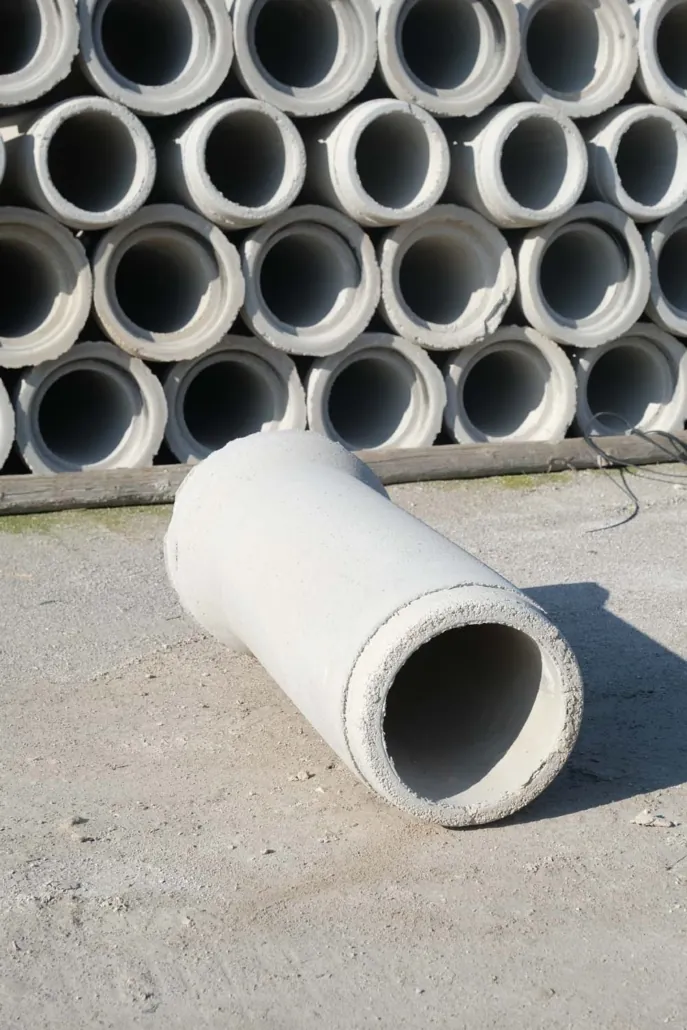
The performance of a concrete pipeline depends as much on the bed it is laid on as on the strength of the pipe. A sound pipe cracks under point load in a badly prepared trench; a line seated on a proper bed works trouble-free throughout its design life.
The trench: width and depth
The trench is dug wide enough to leave working room around the pipe, and deep enough to cover the load above it and, where necessary, the frost depth. An overly wide trench means both extra cost and backfill compaction problems.
- Slope safety and the need for shoring are assessed according to the soil type.
- Hard projections (rock, old concrete) are removed from the trench bottom.
- Pipes are not laid in a trench with water ingress; the bottom is dewatered first.
Bedding material: what carries the pipe?
The pipe is not seated directly on the trench bottom. A granular bed that supports the pipe evenly along its length is placed beneath it. The aim is to spread the load along the pipe; point support is the most common cause of fracture.
- The bedding material must be angular, clean and of suitable particle size.
- For socketed pipes, a recess is dug where the socket will sit — the pipe barrel should carry the load, not the socket.
- The bed is screeded and its level checked before the pipe is laid.
Gradient and level control
On gravity lines, the gradient determines whether the line works at all. If the gradient is too low, solids settle and the line blocks; if too steep, the flow velocity rises. Level control is done with instruments between manholes, not by eye.
Laying usually proceeds from downstream to upstream; the orientation of the sockets is set according to this flow.
Seals and joints
Watertightness is won or lost at the joints. For gasketed joints:
- Socket and spigot surfaces are cleaned; no soil, stones or burrs are left.
- The seal is fitted as described by the manufacturer; a reversed or twisted seal leaks.
- If a lubricant is used, a suitable product is chosen.
- The pipe is jointed by pushing it in line and under control; a joint forced with an excavator bucket crushes the seal.
- After jointing, the line is checked for any deflection in its axis.
Side fill and compaction
Once laying is finished, half the job remains. The gaps beside the pipe (between the barrel and the trench wall) must be filled and compacted in layers; this zone supports the pipe laterally.
- Side fill is placed evenly on both sides; one-sided fill displaces the pipe.
- Heavy equipment is not run over the pipe until a certain cover depth has been reached.
- The backfill material must not contain large pieces of rock.
- The upper backfill is compacted according to the road or paving section above it — badly compacted trench fill settles years later as a line on the surface.
Frequently asked questions
Should I use concrete pipe or reinforced concrete pipe?
The choice depends on the depth of the line, the traffic load above it, the diameter and the strength class in the design. Reinforced concrete pipes are preferred on lines with high load-bearing requirements.
Is a concrete bed needed under the pipe?
In standard practice a granular bed is sufficient. A concrete bed is specified by the design for special ground or load conditions; it is not applied arbitrarily.
Why does the trench backfill settle?
Usually because of compaction that is not done in layers or is insufficient. If the backfill is not compacted in layers at suitable moisture, it settles over time and a trench line appears on the surface.
How is a leaking joint detected?
The line is tested for watertightness before handover. Dampness observed on site, settlement around a manhole or an unexpected change in flow can also be signs of a leak.
Related articles
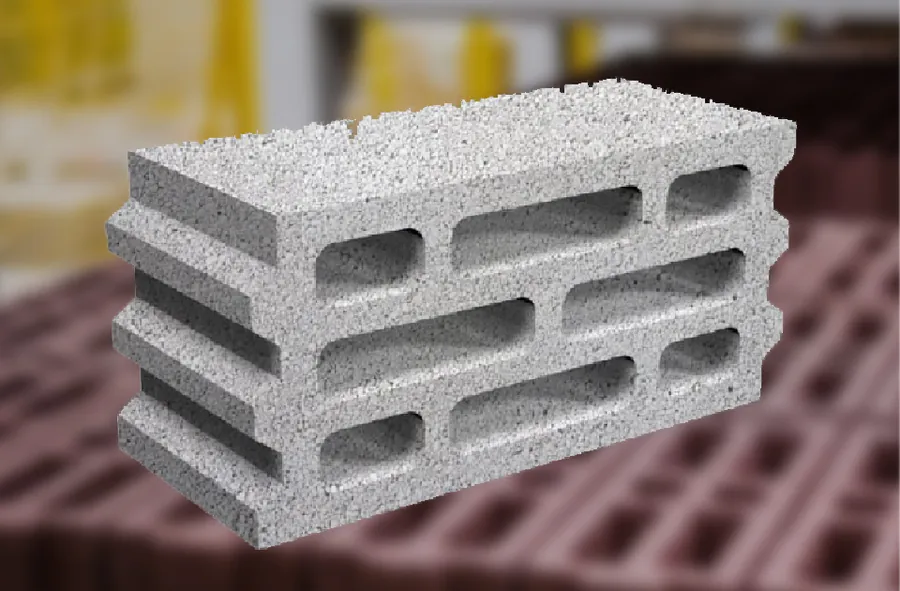
Guide to Building Walls with Pumice Blocks: From Selection to Render
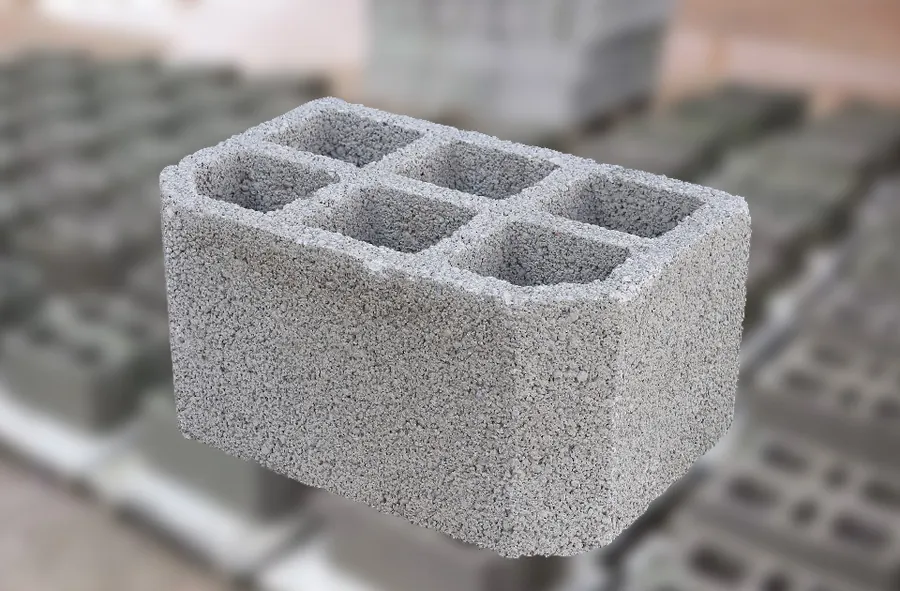
What Is a Hollow Block Floor System, and Where and How Is It Built?
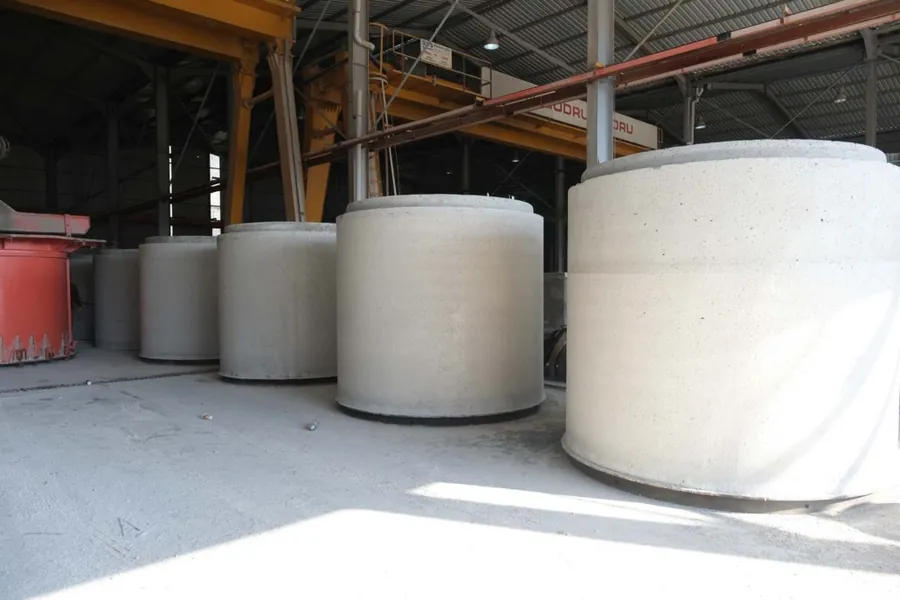
Choosing the Strength and Load Class of Concrete Pipe: What to Check in the Design
Kerb Stone Types and Laying Rules: What to Watch on Site
Stormwater Drainage: Channels, Grating Classes and Ditch Elements
Manhole (Inspection Chamber) Elements and Installation: From Base to Cover
Laying Interlocking Pavers: Ground Preparation, Sand Bed and Joints
Let us prepare a product and delivery plan for your project
Contact our plant management for stock availability, size options and a price quote. Same-day delivery from our facility at the centre of the Milas–Bodrum axis to Milas, Bodrum, Muğla, Didim and the surrounding areas.