
In Bodrum, rain is rare but heavy. Ground that has stayed dry for months does not absorb the water of a sudden downpour; it runs off the surface, races to the lowest point, and there it finds a garage, a pool plant room or an estate car park. Surface drainage is the business of catching that water where it falls and removing it under control. If the right elements are not chosen in the right class, the fall is not set up and the collection point is not properly connected to a concrete pipe, the channel merely moves the puddle somewhere else. Drainage channel, grating load class, silt trap, pipe connection and discharge point form a single chain; the system works only as well as its weakest link.
Why Is Surface Drainage So Critical in Bodrum?
The rainfall pattern of the Aegean coast makes drainage design different from that of inland areas. Most of the annual rainfall is squeezed into a few months, and a single downpour can bring a whole month of rain. Ground made up of rock and compacted fill that dries out over the summer has a low absorption capacity, so most of the rain becomes surface run-off. Sloping plots, terraced villa developments and large surfaces paved with concrete or block paving speed that run-off up.
The result is the same picture repeated on site every winter: water pooling at the foot of the ramp gets into the garage, the pool overflows, the car park floods up to the wheels, and soil from the footway edge washes onto the road. Almost all of these problems come from surface water not being caught where it falls and not being connected to a collection point. The aim of surface drainage is not to soak water into the ground but to catch it on the surface and deliver it to a line.
Drainage Channels: Linear Collection Elements
A drainage channel is a concrete channel with a U or V section, closed on top by a grating. Where a point gully takes water at a single spot, a channel takes it along a line. On site this difference is decisive: where water arrives along a line, such as the bottom threshold of a garage ramp, a pool surround, a terrace doorway or a car park entrance, a single gully is not enough; a channel is needed.
The concrete channel body houses the channel that carries the water in its base and, at the top, the seating for the grating. In some series the invert is cast with a built-in fall, so that water flows inside the channel even when the surface is level. In other series the invert is flat and the fall is given during laying. The width and depth of the channel are chosen according to the size of the area drained and the length of the run: on long runs the volume of water carried grows towards the end of the channel, so either the section is increased accordingly or the run is split into sections, each connected to its own collection point.
At the end or in the middle of the channel there is a silt trap (sump). This element is a chamber deeper than the channel invert; it settles out the sand, leaves and gravel carried in by the water and passes clean water to the pipe outlet. A channel without a silt trap means a pipe that fills up in the first autumn.
Grating Load Classes: The Logic of EN 1433 from A15 to F900
The European product standard for drainage channels and gratings is TS EN 1433. It defines the test load that the grating and channel body must carry in six classes. The letter of each class indicates the area of use, the number the test load in kilonewtons:
| Class | Test load | Typical area of use |
|---|---|---|
| A 15 | 15 kN | Pedestrian and cycle areas only, gardens, terraces |
| B 125 | 125 kN | Footpaths, car parks for passenger cars, villa garage entrances |
| C 250 | 250 kN | Roadside kerb lines, service roads, estate roads |
| D 400 | 400 kN | Carriageways, car parks used by heavy vehicles, loading areas |
| E 600 | 600 kN | Industrial areas, forklifts and heavy wheel loads |
| F 900 | 900 kN | Airport aprons, very heavy special loads |
The usual mistake on site is going for a class too low. B 125 looks adequate for a villa garage entrance, but one day a tipper lorry or a concrete mixer drives in and the grating collapses. Where refuse lorries and fire engines will pass on estate roads, D 400 should be considered rather than C 250. The rule is simple: the grating is chosen for the heaviest vehicle that could pass over the run, not the most frequent one.
Class is a matter not only of the grating but also of the channel body and of how the grating locks into the channel. A D 400 grating on a C 250 body does not perform as D 400. Likewise, an unlocked grating lifts and comes out under heavy vehicles; in the heavy classes a bolted or latched locking system is essential. As grating material, cast iron is standard in the heavy classes; galvanised steel is used in the middle classes, and concrete gratings in the low classes and in landscaped areas where appearance matters.
Fall and Collection Point: Where Does the Water Go?
The most often overlooked question in drainage design is this: the water has entered the channel; where does it go next? A channel is a collection element, not a disposal element. There must be an outlet at the end of the run: through a silt trap into a stormwater pipe, and from there to a manhole, a dry stream bed, a soakaway or the municipal stormwater line.
Surface fall is what brings the water to the channel. The paved surface falls towards the channel; a fall of around one per cent moves rainwater along, but on very flat surfaces some local ponding remains. The channel line must sit on the lowest line of the paving; if the lowest line is somewhere else, the channel is merely decorative.
Channel gradient carries the water inside the channel to the outlet. In channels with a flat invert the gradient is set by the laying level; on long runs the total level difference grows and the depth at the start of the run differs from that at the end. Series with a built-in sloping invert solve this within the unit, but the length of the run is limited by the series. On very long runs the answer is to split the run in the middle, fall in both directions and connect each end to its own collection point.
A unit with a silt trap is used at the collection point. The silt trap drops below the depth of the channel so that sediment settles, and its outlet gives a connection matched to the pipe diameter. Whether the silt trap has a grating that opens easily determines whether it will ever be cleaned; a lid that is hard to open is not opened.
Connecting to Concrete Pipe: From Channel to Line
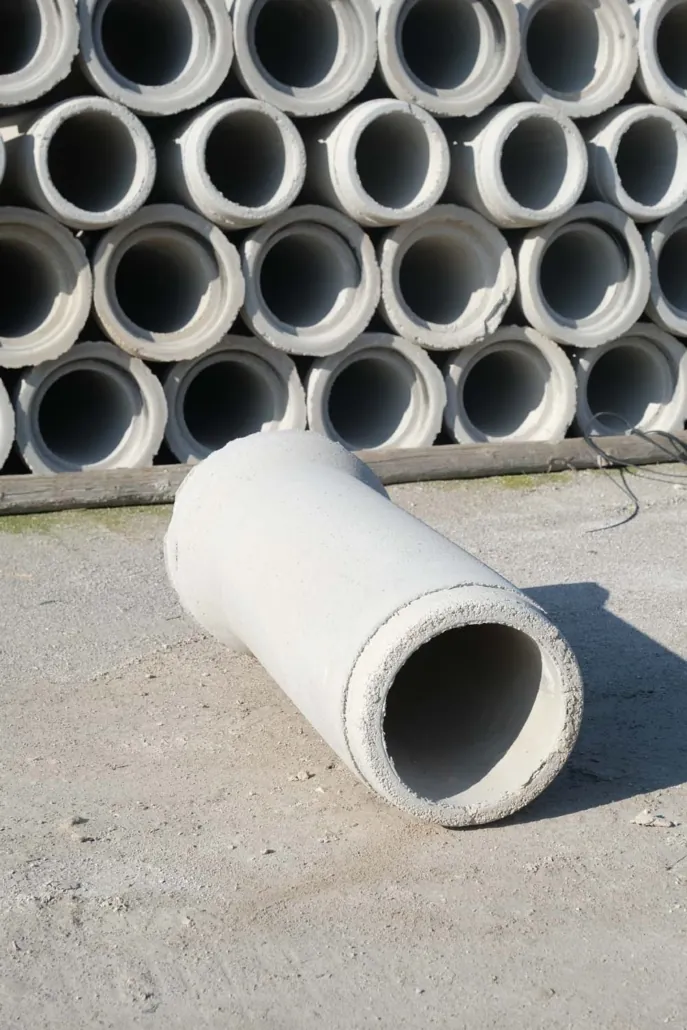
The outlet of the silt trap connects to the pipe of the stormwater line. Plastic pipe is common in small diameters; the main collectors within an estate, road crossings and discharge lines are built with concrete pipe. Concrete pipe is not crushed under vehicle loads and has a long life; pipes made under TS EN 1916 are declared with a load class.
The points to watch at the connection are:
- Matching diameters: The silt trap outlet and the pipe diameter must match, and the transition must be made watertight with an adaptor or a concrete render. The water a channel run collects must not exceed the capacity of the pipe; if several channel runs connect to the same pipe, the diameter is increased accordingly.
- Pipe gradient: The stormwater pipe is laid at a self-cleansing gradient. If the gradient is too low, fine material that escapes the silt trap settles in the pipe.
- Inspection points: Manholes are placed where the line changes direction or diameter, and at regular intervals on straight runs; there is no other way to reach a blocked pipe.
- Discharge: The end of the run connects either to the municipal stormwater network, to a dry stream bed or to a soakaway within the plot. Discharging onto a neighbouring plot or the road is both a legal problem and a guarantee of water backing up in the next downpour.
We covered trench excavation, bedding preparation, seals and joints in detail in our laying concrete pipes article; after the channel run, the pipework continues with those steps. For products, see our concrete pipes page.
Ditch Elements: Open Channels, Channel Units and Channel Kerbs
A grated channel is not needed everywhere. In landscaped areas, along roadsides and on estate boundaries, the more economical way to carry water is with open ditch elements:
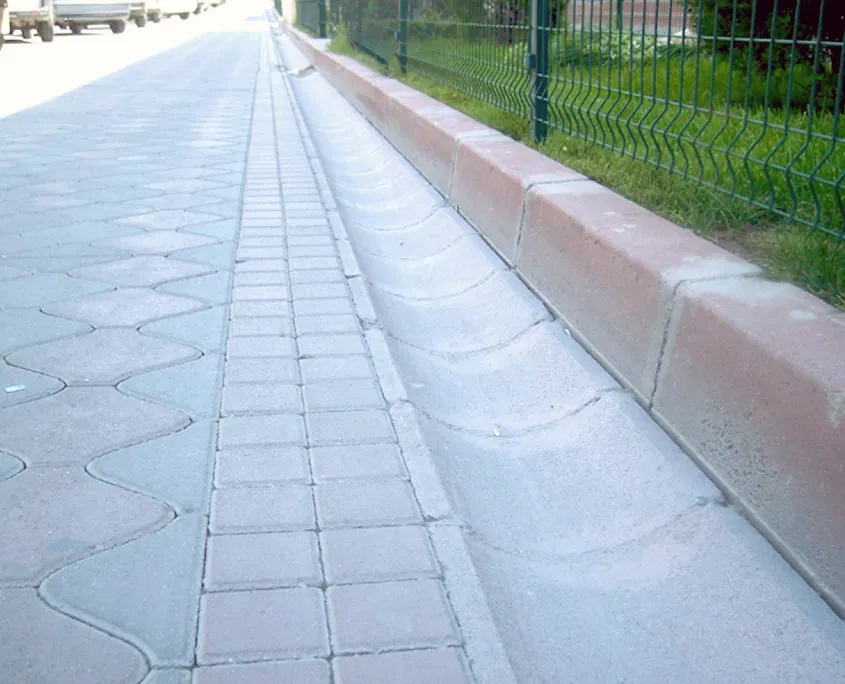
- Concrete channel units (open U-channel): A precast, open-topped channel with a U section. In roadside ditches, at the foot of slopes and along garden boundaries it collects water and carries it to a grated inlet. Unlike a ditch cut into the soil, it neither erodes nor becomes overgrown.
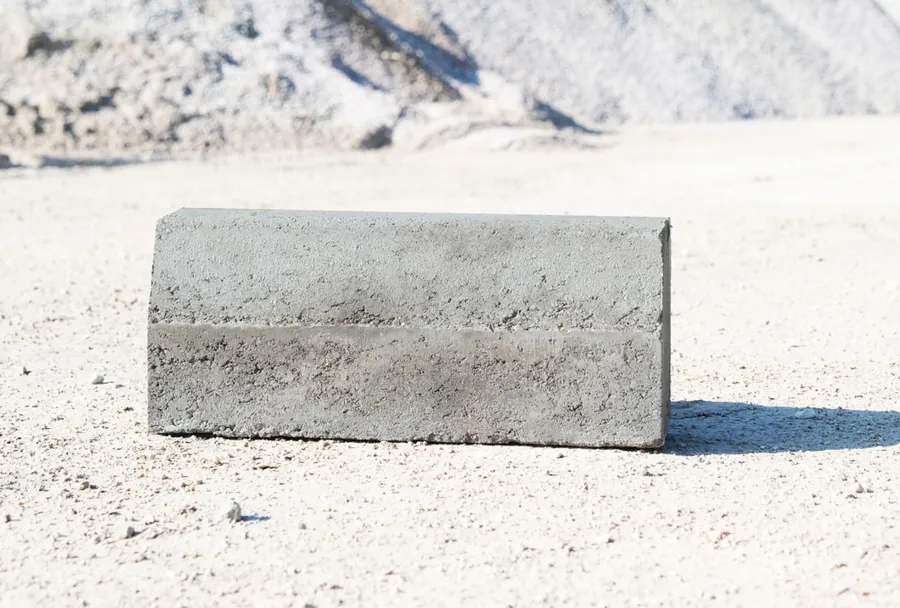
- Channel kerb: Combines the kerb and the water channel in a single unit. Without laying a separate channel at the roadside, it forms a watercourse at the foot of the kerb and carries the water to the gullies. It is very effective on sloping streets and estate roads; this type is listed on our kerb stones page.
- Stepped (cascade) ditch units: Used on steep slopes to check the speed of the water; fast-flowing water scours the ditch bed, and the steps slow it down.
- Stormwater gully (point inlet): The grated chamber at the point where the ditch or channel kerb hands over its water. Open ditch, point gully, closed pipe: these are the three links of the system.
With open ditch units the most important point is that the units are laid overlapping and with a fall. Overlaps facing the wrong way let water escape into the soil at every joint and undermine the ditch.
Housing Estate, Car Park and Villa Applications
Villas: The three most critical points are the bottom threshold of the garage ramp, the pool surround and the doorways onto the terrace. At the foot of the ramp, a full-width channel in class B 125 or, depending on vehicle traffic, C 250; around the pool, a low-class channel chosen for its appearance that takes splash-out and rain; at the terrace doors, a narrow channel along the threshold. Garden areas may be served by channel units or by direct infiltration into the soil, but every paved surface must be connected to a run.
Housing estates: The lowest points of the estate roads, the car park entrances and the entrances to each block are identified; each is dealt with by its own run or its own collection point. On roads used by refuse lorries and fire engines, class D 400 is mandatory. The estate stormwater line is kept separate from the foul sewer; combining the two is both contrary to regulations and a cause of sewage backing up in a downpour.
Car parks: On wide flat surfaces it is difficult to grade everything to a single channel; the surface is divided into several zones, each falling to its own channel or point gully. In covered car parks a channel at the top of the ramp stops rain getting in, while the channel at the bottom of the ramp takes the water brought in by vehicles. The load class is set by the heaviest vehicle that enters the car park.
What all these applications have in common is this: the channel is not an accessory thought of at the very end of the paving job, but the first line that sets the paving levels. Installing a channel after the paving is finished means either lifting the paving or accepting a channel at the wrong level.
Installation and Maintenance: The Details That Decide the Life of a Channel
The channel body is bedded on concrete and concrete is placed on both sides; in the heavy classes the channel run is laid fully surrounded by concrete. The top of the grating is left a few millimetres below the finished paving level, so that water enters the grating easily and the edge of the paving is protected from wheels striking the grating. If the grating stands proud of the paving, water passes it by and the grating breaks.
The joints between channel units are closed as the manufacturer specifies, either by interlocking or with mortar; a joint left open lets water escape beneath the channel and scour the concrete. The connection between the silt trap and the pipe is also made watertight.
Maintenance matters as much as design. Before the autumn rains begin, the channel gratings are lifted and the channel and silt trap cleaned out; the dust, leaves and gravel that build up over the summer are waiting for the first downpour. This once-a-year clean is the difference between a system that runs trouble-free for years and one that overflows every winter. See our drainage channels page for our drainage channel products, and our contact page for help choosing the right class and section for your project.
Frequently asked questions
Which grating class should be chosen for a villa garage entrance?
If only passenger cars enter, B 125 looks sufficient; but if there is any chance of a lorry entering during construction, a house move or maintenance, C 250 is safer. The grating is chosen for the heaviest vehicle that could pass over the run. The body and the locking system must be in the same class.
Can a point gully be used instead of a drainage channel?
Yes, if the water arrives at a single point. But where it arrives along a line, such as a ramp threshold, a pool surround or a doorway, a point gully misses most of it. In those cases a linear channel is needed; there is still a point collection element at the end of the channel run.
Why is a silt trap needed?
Stormwater carries sand, leaves and gravel. The silt trap settles this material out, preventing the pipe from blocking, and provides a suitable outlet for the pipe connection. In systems without a silt trap the pipe fills up within a few seasons and cannot be cleaned without lifting the channel.
How long can a channel run be?
It depends on the section, the fall and the area drained. On long runs the answer is to split the run in the middle, fall in both directions and connect each end to its own silt trap. In series with a built-in sloping invert the run length is limited by the product series; in flat-invert series the fall is given by the laying level.
Can a stormwater line be connected to the foul sewer?
No. The two lines are kept separate. In a downpour stormwater reaches very large volumes, and when it is put into the foul sewer it causes backing up, odour and flooding. Stormwater is discharged to the municipal stormwater network, a dry stream bed or a soakaway within the plot.
Should the grating be level with the paving?
The top of the grating is left a few millimetres below the paving. That way water enters the grating easily and the edge of the paving is protected. If the grating stands proud of the paving, water passes it by and wheels break the grating.
Related articles
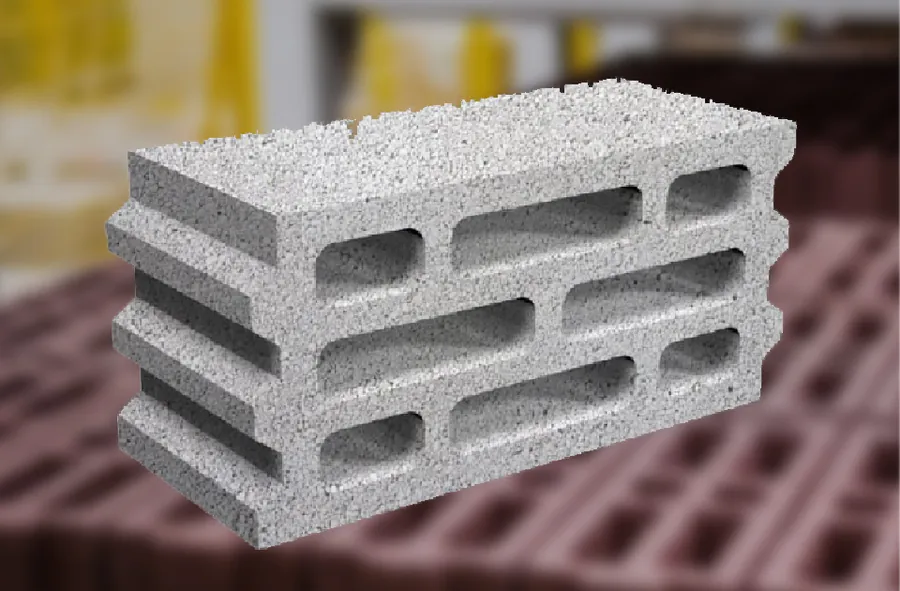
Guide to Building Walls with Pumice Blocks: From Selection to Render
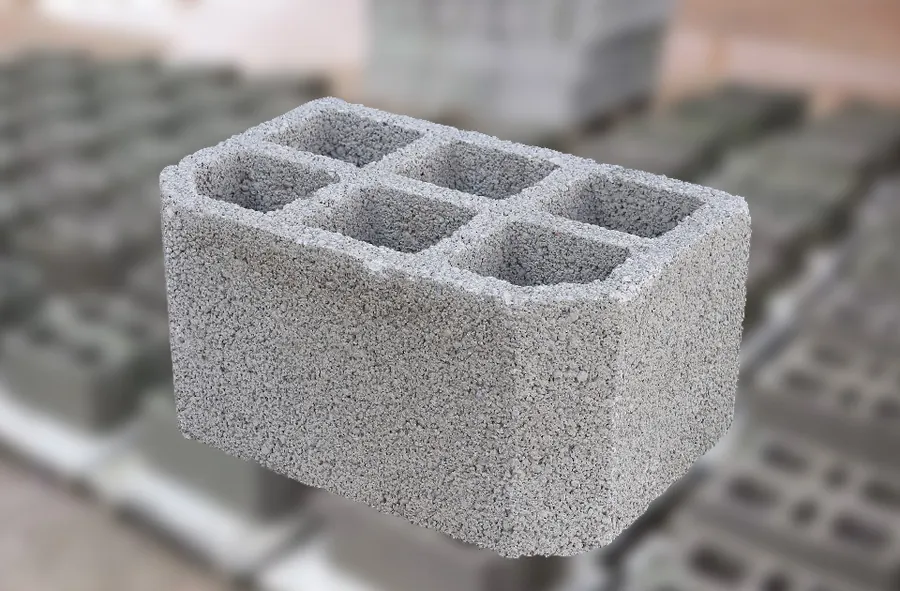
What Is a Hollow Block Floor System, and Where and How Is It Built?
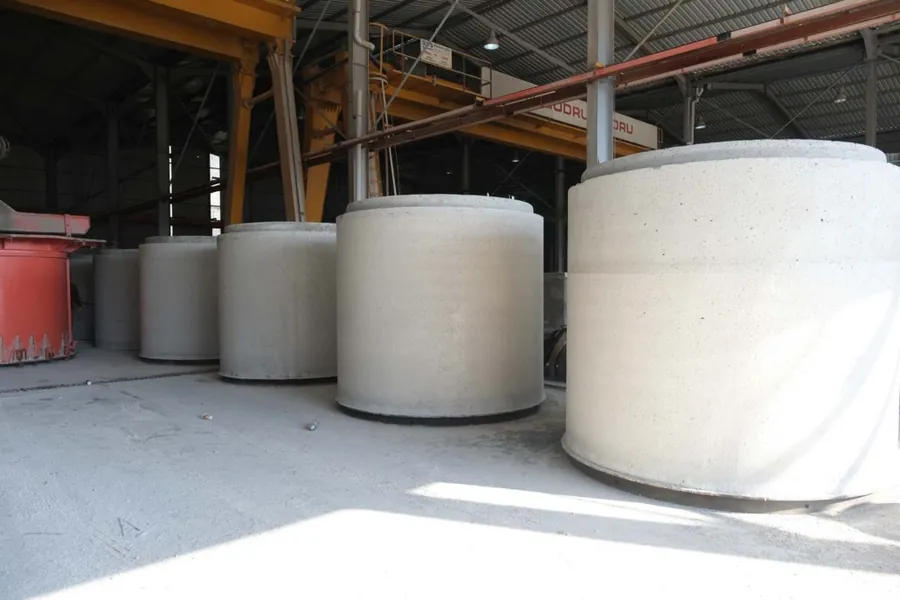
Choosing the Strength and Load Class of Concrete Pipe: What to Check in the Design
Kerb Stone Types and Laying Rules: What to Watch on Site
Manhole (Inspection Chamber) Elements and Installation: From Base to Cover
Laying Interlocking Pavers: Ground Preparation, Sand Bed and Joints
Laying Concrete Pipes: Trench, Bedding, Seals and Joints
Let us prepare a product and delivery plan for your project
Contact our plant management for stock availability, size options and a price quote. Same-day delivery from our facility at the centre of the Milas–Bodrum axis to Milas, Bodrum, Muğla, Didim and the surrounding areas.